Interior Detailing
Back to blogs >
There is virtually an opposite approach to cleaning leather and fabric car seats. Leather car seat cleaning in Toronto requires the use of pH-balanced cleaners, a soft brush, and conditioning of the hide, while fabric seats require hot water extraction for removal of dirt from inside fibers. Applying a wrong procedure to any of these can result in irreversible damage that may prove very costly: cracking of leather or wetting of fabric resulting in mold growth.
This is what each of the procedures involves, mistakes made during the DIY process, and how you can determine which type of cleaning you need.
There seems to be a misconception among many drivers that there is only one process for seat cleaning where the material of choice changes. In actuality, the behavior of leather versus fabric materials in the presence of moisture, cleaning chemicals, and dryness is entirely opposite.
The leather material is less porous and therefore takes longer to soak in any moisture and is conditioned from time to time to avoid cracks and color loss due to exposure to the sun. The fabric is made of fibers that attract dust, oils, and moisture into them, and therefore needs an entirely separate process to be cleaned.
This is also why a driver in downtown Toronto who uses his car in varying humidity, and sunlight coming through the windshield will need to look for material-based cleaning and maintenance.
The process of professional leather cleaning consists of two steps – the cleaning itself and then conditioning. Ignoring either of them is where most damages accumulate.
First step – cleaning. During this phase, the leather surface is treated with a pH-balanced solution with the help of a soft brush, usually made of horsehair or some other non-abrasive bristle. This process helps to remove all the accumulated dirt from the grain without damaging it and taking away the oils that protect the leather. In fact, using household all-purpose cleaners, baby wipes, or any cleaning products that contain harsh solvents can do just that because they dry up the leather rapidly.
Second step – conditioning. Once the leather becomes clean and dry, it is time for applying a special conditioner in order to restore the moisture balance that was taken away during the cleaning process. The reason why conditioning is important is that leather is the hide that needs to be treated like our own skin – by replacing the lost moisture. It also creates a protective barrier against UV radiation that is quite common in Toronto.
For leather, stain removal is achieved by applying stain removers specifically meant for leather to the stain itself, not to the whole surface of the seat, because applying excess cleaner that isn't needed by healthy leather may weaken it over time.
Leather tends to dry faster than fabric, which is why wiping it down with a cloth immediately after cleaning will do the job just fine before applying the conditioner.
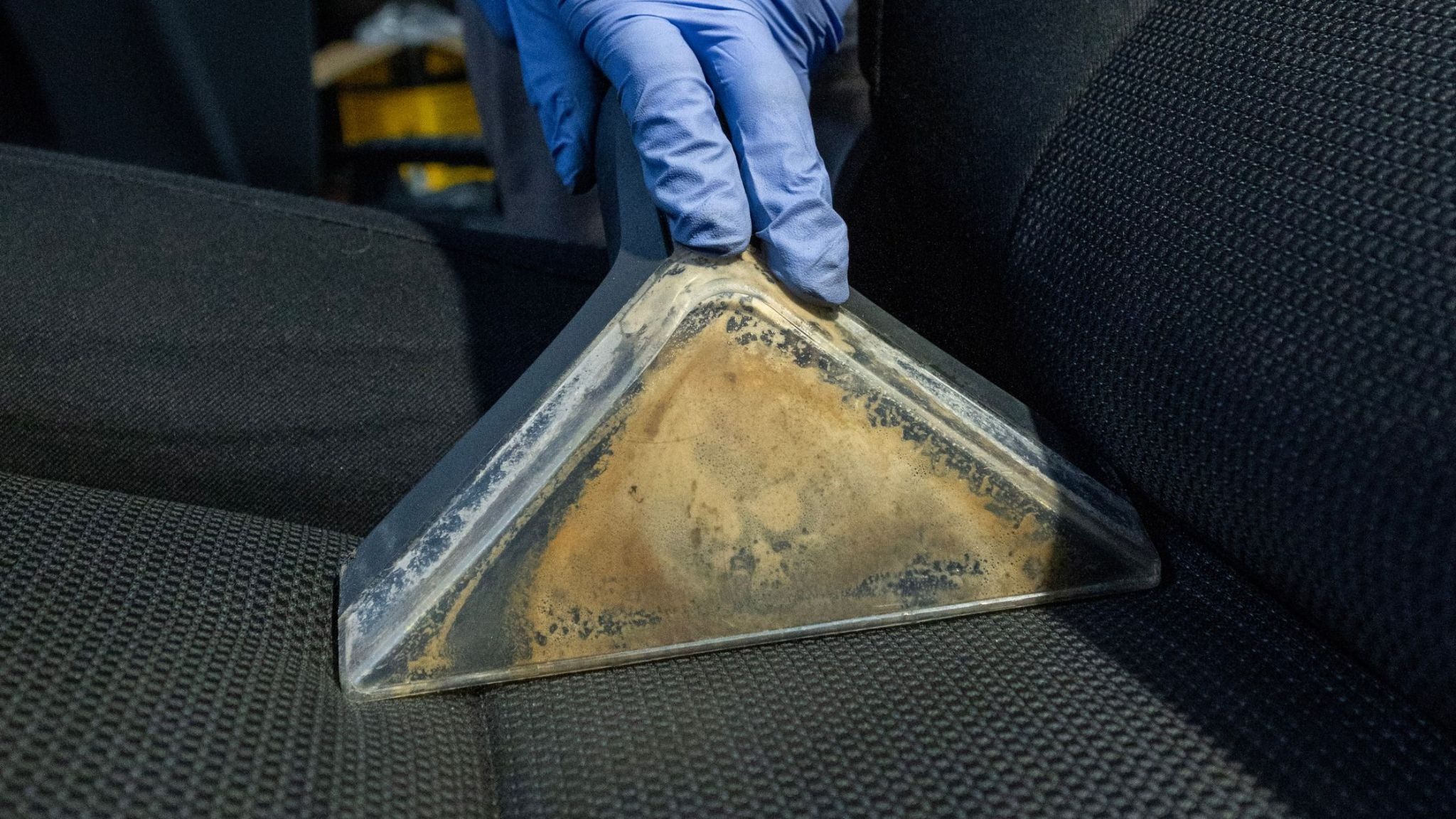
Almost all processes in fabric seat cleaning differ significantly, and that is mainly because of the porous nature of this material and its capacity to retain stains, allergens, and odor much better than leather does.
The first step: pretreatment. Stains on the fabric are initially treated by fabric cleaner, while a soft bristled brush attachment is used to massage the cleaner into fabric fibers and release the dirt trapped inside them.
The second step: extraction. It is an integral part of the professional fabric cleaning process. A hot water extractor is used to inject cleaning solution into fabric and then extract it together with embedded dirt and oils. Unlike leather cleaning procedure, hot water extraction becomes an absolute must in fabric cleaning as the material requires such treatment in order to become clean.
The third step: drying. Professional extraction equipment is designed to remove most of the moisture instantly which is critical since otherwise, fabric may remain wet enough to be a perfect place for mold growth and a disgusting musty odor.
Consider adding a professional odor removal service for a thorough clean. The ability of fabric to absorb odors makes it easier to get rid of them compared to leather. A professional odor removal process is more than just spraying a deodorant on the surface, it treats the odor problem in the very fabric itself.
The common mistakes are helpful in understanding why professional cleaning is necessary.
For leather: Using an all purpose cleaner or baby wipes removes the oils from the leather. Not conditioning the material once cleaned will cause cracks in the future. Scrubbing the stain instead of brushing it causes damage to the grain of the material. Using a water extraction method designed for fabric causes moisture to be trapped underneath the surface of the material.
For fabric: Wetting the material too much during DIY cleaning and not having enough suction power to remove the moisture will leave the moisture inside the fibers of the material. Using rubbing instead of blotting technique to remove the stain will spread the stain to a larger area. The use of air fresheners covers up the smell instead of treating the source.
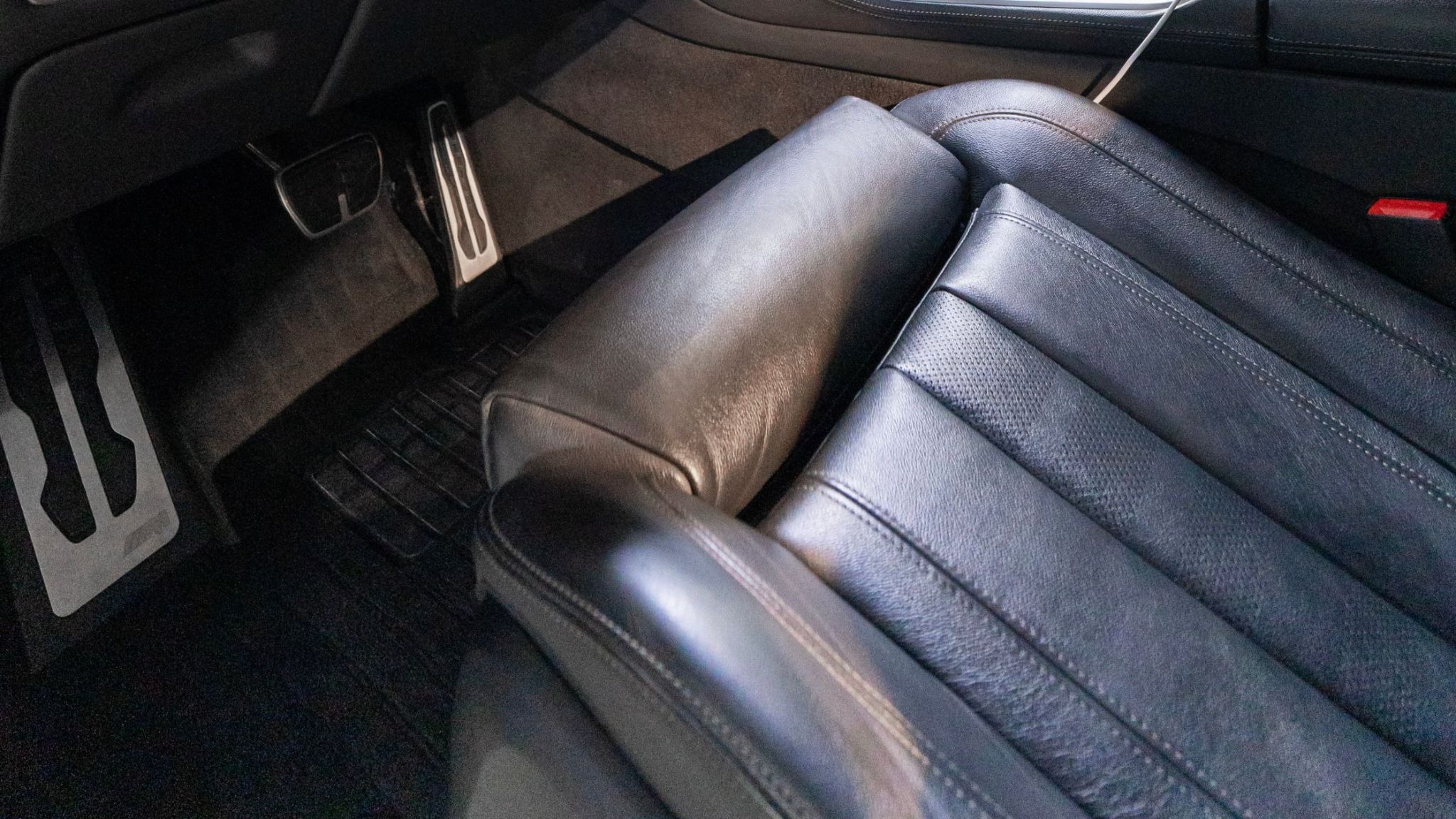
Minor maintenance, such as vacuuming fabrics on a weekly basis or using a damp cloth for leather, takes you a long way between details. However, there are several reasons to call a professional for leather and fabric car seat cleaning and not try do-it-yourself care.
Six months have passed since the seats had a thorough cleaning and it's already a Toronto winter, meaning that slush is going to get inside your car seats every day.
If you are confused as to whether your seats have real leather, leather combination, or cloth upholstery, then it is okay to ask before booking an appointment. The type of material is clear from just a single look at it, and that's all the information our professionals need to know about the kind of cleaner, equipment, and method of drying that should be used.
The interior detailing services offered by ALPHASHINE usually take around three hours to complete. This amount of time is sufficient both for cleaning and drying your seats, carpets, and other materials. In case your leather seats require condition or your cloth ones are more severely stained, this will be taken care of during the appointment.
You can bring your leather, fabric, or mixed interior into any of our three downtown Toronto locations: King West, Financial District, or Yorkville. Free parking is included at every location, and if you'd rather not wait around, our valet service will pick up your vehicle and bring it back once it's done.
For drivers who want their seats looked after on a regular schedule rather than only when something goes wrong, our membership locks in consistent pricing and knocks up to 15 percent off extras like ceramic coating and paint correction.
Whether your seats are leather, fabric, or a mix of both, book your interior detailing appointment at one of ALPHASHINE's three downtown Toronto locations. Book online or call us at 647 249 2960 to get started.

I am a marketing professional based in Toronto with a love for cars and car care. Through my blog, I provide clear and concise information about car detailing in Toronto, aiming to inform everyone from a car enthusiast to a first-time owner about the importance of taking care of their cars.